 Save to Pinterest
 My neighbor Maria handed me a container of cilantro lime rice one afternoon, still warm from her kitchen, and I understood immediately why she'd been raving about it at the fence. The first forkful hit differently than any plain rice I'd made before—bright, aromatic, alive with lime and fresh cilantro that somehow made every other side dish feel boring by comparison. I pestered her for the recipe, and when she laughed and said it was embarrassingly simple, I realized the magic was just in knowing which small additions transform something ordinary into something unforgettable.
I made this for a small dinner party last summer when someone brought grilled chicken, and watching people taste it for the first time—that moment when their eyes light up and they ask what's in it—that's when I knew this recipe was a keeper. The cilantro was so fragrant it filled the whole kitchen while the rice was cooking, and I caught myself just standing there breathing it in like some kind of food meditation.
Ingredients
- Long-grain white rice (Basmati or Jasmine): The grains stay separate and fluffy, and there's something about their natural delicate flavor that lets the lime and cilantro shine without competing.
- Water: Two cups to one cup rice is your golden ratio—too much makes it mushy, too little leaves hard bits nobody wants.
- Olive oil: Just enough to coat the grains before cooking, which sounds small but it's the difference between clumpy and silky.
- Salt: A half teaspoon upfront, though you'll taste and adjust at the end because lime changes how salty things feel.
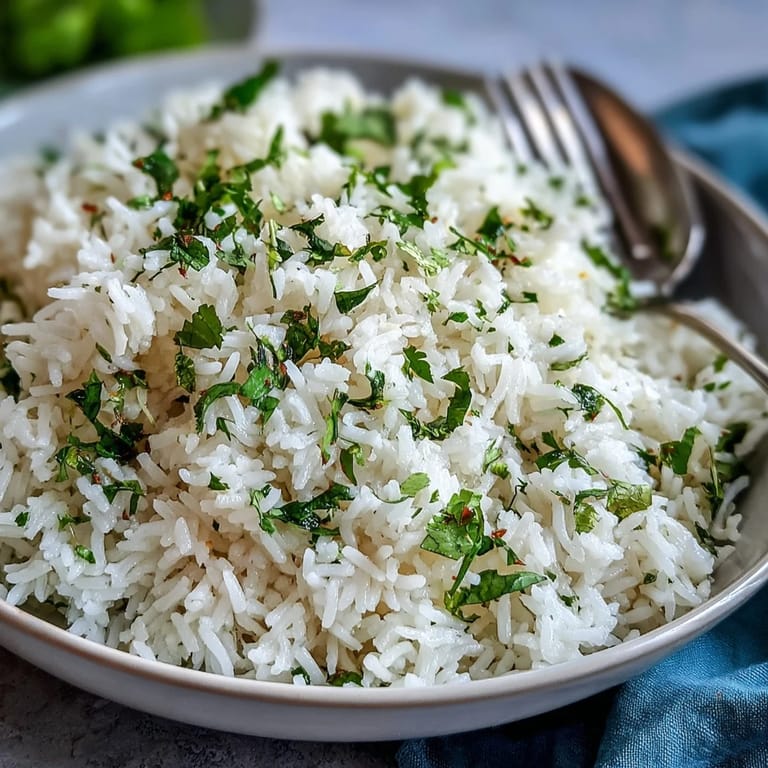
- Fresh cilantro: Rough chopped, never minced into oblivion—you want people to see those green flecks and know what they're getting.
- Lime zest and juice: The zest goes in right at the end so it stays bright and aromatic, while the juice adds the actual tang that wakes everything up.
- Garlic, minced (optional): A single clove adds complexity without making it garlic-forward, but skip it if you're serving this alongside something already garlic-heavy.
Tired of Takeout? 🥡
Get 10 meals you can make faster than delivery arrives. Seriously.
One email. No spam. Unsubscribe anytime.
Instructions
- Rinse your rice like you mean it:
- Cold water, swish it around with your fingers, drain, repeat until the water stops looking cloudy. This removes excess starch and is genuinely the secret to fluffy grains instead of a gluey mess.
- Toast the rice gently:
- Heat olive oil in your saucepan, add the minced garlic if using, and let it smell incredible for just 30 seconds—then add your rinsed rice and stir constantly for a minute or two. You're coating each grain with oil, which keeps them from sticking together.
- Let it simmer undisturbed:
- Pour in your two cups of water, add salt, bring it to a boil, then cover and turn the heat way down to low. Don't lift that lid for 15 to 18 minutes—I know it's tempting, but peeking lets steam escape and throws off your timing.
- Rest and fluff with intention:
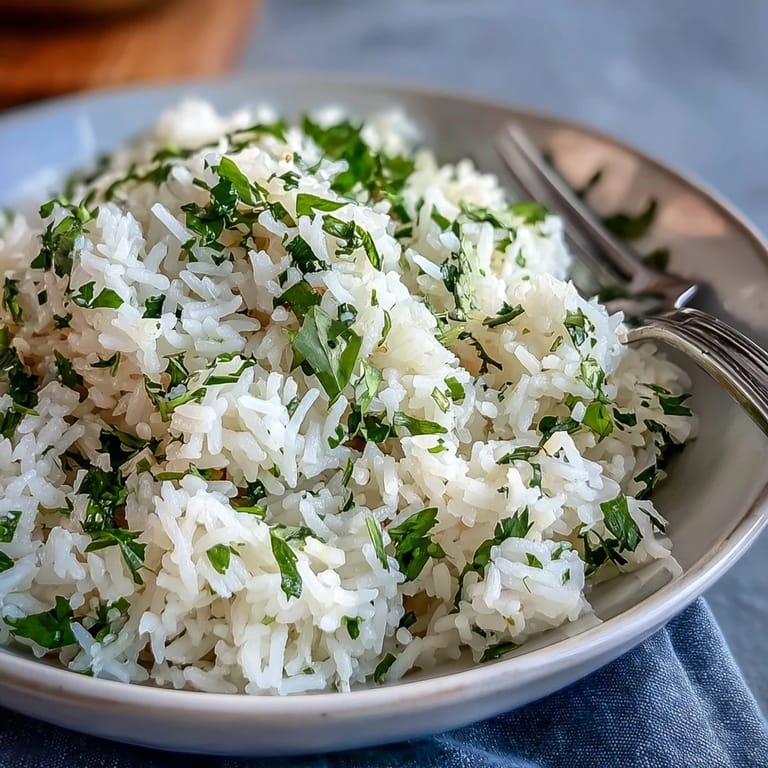
- Once the water's absorbed and the rice is tender, remove the pan from heat and let it sit covered for five minutes. This lets any remaining moisture finish distributing, then fluff everything with a fork using gentle upward motions.
- Finish it bright:
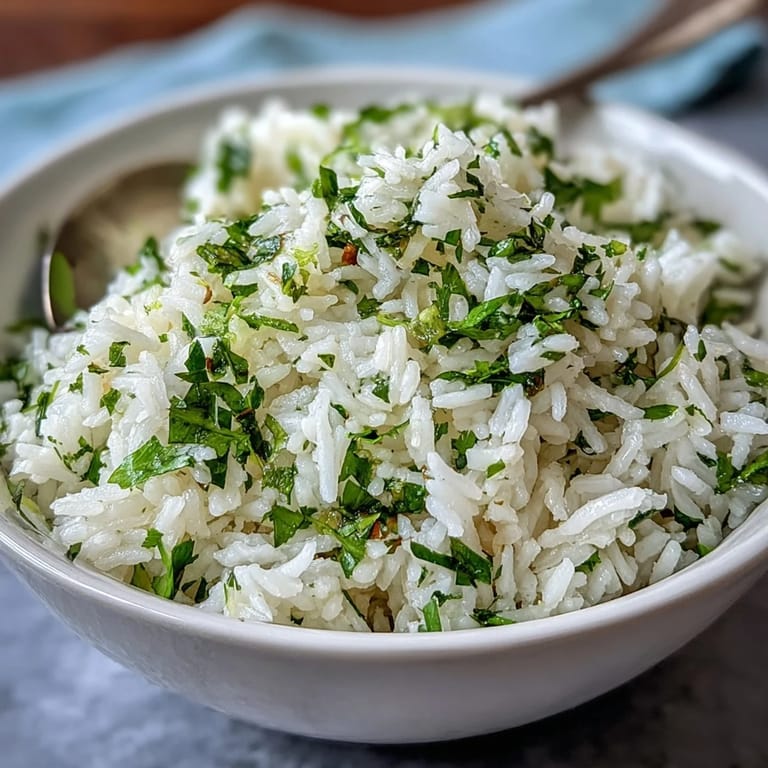
- Stir in your lime zest first, then the fresh lime juice, then the cilantro. Taste a spoonful and decide if it needs more salt or more lime—this is your moment to make it exactly right.
 Save to Pinterest
 My daughter now asks for this rice alongside her favorite meals without me even suggesting it, which tells me something about how cilantro and lime speak to people on an instinctive level. There's something about the combination that makes people feel taken care of, like someone paid attention to the details.
Flavor Variations Worth Trying
The base recipe is beautiful on its own, but once you understand how it works, you can start playing. Swap half the water for low-sodium vegetable broth and suddenly the rice has more body and depth, which is especially nice if you're serving it with something mild. A pinch of cumin adds earthiness without changing the overall vibe, and a tiny pinch of red pepper flakes gives you a gentle heat that builds on your palate. I've also added toasted sesame oil instead of olive oil for Asian-inspired meals, and fresh scallions instead of cilantro when I wanted something different.
What to Serve This Alongside
This rice is genuinely flexible, which is why it's become my default side dish. It's perfect with grilled chicken or fish because the brightness cuts through richness, and it's equally at home next to tacos, grain bowls, or roasted vegetables. I've served it at potlucks alongside pulled pork, and I've made it for quick weeknight dinners with just a rotisserie chicken from the grocery store. The cilantro lime flavor actually elevates simpler proteins, so don't save it only for fancy dinners.
Making This Recipe Your Own
The rhythm of making cilantro lime rice becomes almost meditative once you've done it a few times—the smell of cilantro when you open the bunch, the sound of rice grains hitting the hot oil, the satisfaction of seeing it transform from water and grains into something aromatic and beautiful. I started keeping cilantro and limes on hand all the time because I found myself making this rice more often than I expected, especially when I needed something that felt intentional without being complicated. Everyone has their own cilantro lime rice story waiting to happen—maybe it becomes your go-to side dish, or maybe it's the one thing your friends always ask you to bring.
- If cilantro tastes soapy to you (and it does to some people), use fresh parsley and double the lime zest instead.
- Make it in a rice cooker if you have one, just adjust the water ratio slightly and add the cilantro and lime when the rice is done.
- Leftover cilantro lime rice makes incredible fried rice the next day—just reheat it in a hot skillet with an egg and whatever vegetables you have.
 Save to Pinterest
 Once you make this rice, it becomes the answer to so many dinnertime questions—how do I make this meal feel special, how do I add brightness to a plate, how do I make people feel like I actually cooked something. That's the real magic right there.
Recipe Questions & Answers
- → What type of rice works best?
Long-grain white rice varieties like Basmati or Jasmine yield the fluffiest results. Their separated grains hold up well when mixed with the lime and cilantro. Brown rice can be used but will require additional cooking time and liquid.
- → Can I make this ahead of time?
Yes, prepare the rice up to 2 days in advance and store it in the refrigerator. When reheating, add a splash of water and warm gently in the microwave or on the stovetop. Fresh cilantro is best added just before serving for the brightest flavor.
- → How do I prevent mushy rice?
Rinse the rice thoroughly until the water runs clear to remove excess starch. Avoid lifting the lid while simmering, and let the rice rest off the heat for 5 minutes before fluffing. This final resting step is crucial for achieving perfectly separate grains.
- → What variations can I try?
Substitute half the cooking water with vegetable broth for deeper flavor. Add a pinch of cumin, diced jalapeño, or green chilies for a spicier version. A tablespoon of butter stirred in at the end adds richness if desired.
- → Is this suitable for meal prep?
Absolutely. This dish reheats beautifully and actually develops more flavor as the ingredients meld together. Portion into containers and store for up to 4 days. The rice may dry slightly—simply add a teaspoon of water when reheating.
- → Can I use dried cilantro instead?
Fresh cilantro is essential for the bright, herbal flavor that defines this dish. Dried cilantro lacks the vibrancy needed to balance the lime. If fresh isn't available, fresh parsley with extra lime zest makes a workable substitute.