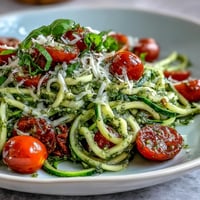
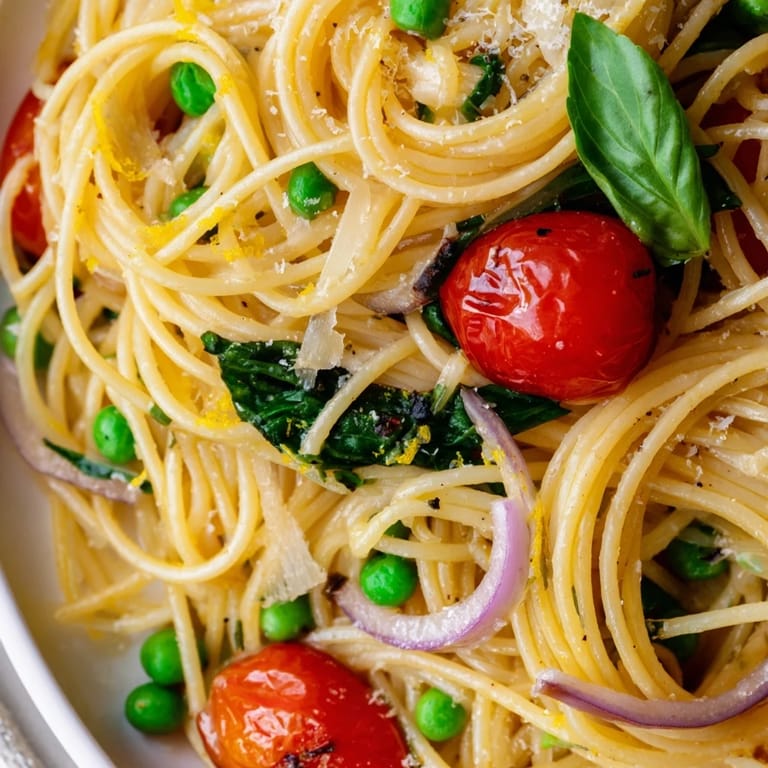
 Save to Pinterest
 The first time I made this pasta, it was one of those Tuesday evenings where the fridge was bare except for a bag of frozen peas and some wilting spinach. I threw everything into one pot, expecting a mediocre dinner at best, but ended up with something that tasted like spring had exploded in my kitchen. The broth creates this silky sauce that clings to every strand, and the vegetables cook right alongside the pasta until they're sweet and tender. My husband actually asked if we could have it again the next night, which never happens with pasta dishes.
Last spring, I made this for a friend who had just had a baby, and she texted me three days later asking for the recipe because her husband kept requesting it. There's something about the combination of sweet peas, bright cherry tomatoes, and that hint of lemon that just works—it tastes fresh and comforting all at once. I've since made it for dinner parties, weeknight meals, and even cold for lunch the next day (though I'll admit it's best piping hot).
Ingredients
- 350 g (12 oz) dried spaghetti: The pasta cooks directly in the broth, releasing starch that thickens the liquid into a silky, restaurant-quality sauce
- 150 g (1 cup) frozen or fresh peas: Add these straight from frozen—they thaw and sweeten as they simmer, becoming little pops of freshness
- 100 g (3.5 oz) baby spinach: Wilts down beautifully into the pasta, adding nutrition and a lovely green color without any bitter taste
- 200 g (7 oz) cherry tomatoes, halved: These burst slightly as they cook, releasing their juices into the broth and creating pockets of concentrated sweetness
- 2 cloves garlic, thinly sliced: Thin slices mellow as they sauté, infusing the oil with a gentle, aromatic flavor that won't overpower the delicate spring vegetables
- 1 small red onion, thinly sliced: Red onion becomes sweeter and milder than yellow when cooked, adding subtle depth and beautiful pink ribbons throughout the dish
- 1 L (4 cups) vegetable broth: This is the secret weapon—it cooks the pasta AND becomes the sauce, so use a good quality one you'd actually drink on its own
- 2 tbsp olive oil: Start with this to sauté your aromatics, creating a flavorful base that carries through the entire dish
- 1/2 tsp salt: Essential for bringing out all the flavors, though you may want to wait until the end to taste since the broth contributes saltiness too
- 1/4 tsp black pepper: Adds just enough warmth to contrast with the sweet vegetables
- 1/4 tsp red pepper flakes (optional): A tiny pinch gives a subtle hum of heat that makes the spring flavors pop without overwhelming them
- Zest of 1 lemon: Stir this in at the very end to preserve its bright, fresh aroma and cut through the richness
- 30 g (1/4 cup) grated Parmesan cheese (or vegetarian alternative): The salty, nutty finish that pulls everything together
- Fresh basil leaves, to serve: Torn by hand right before serving for an aromatic, fresh garnish that screams spring
Tired of Takeout? 🥡
Get 10 meals you can make faster than delivery arrives. Seriously.
One email. No spam. Unsubscribe anytime.
Instructions
- Build your flavor foundation:
- Heat olive oil in your large pot over medium heat, then add the sliced garlic and red onion. Sauté for 2-3 minutes, stirring occasionally, until the onion is translucent and your kitchen starts smelling amazing.
- Bring everyone to the pot:
- Add the spaghetti, peas, spinach, and halved cherry tomatoes. Pour in the vegetable broth and everything will look crowded, but that's exactly right—the pasta will cook down as it absorbs the liquid.
- Season and bring to life:
- Add salt, black pepper, and red pepper flakes if you're using them. Stir well to distribute everything and bring the mixture to a boil, which should take about 3-4 minutes.
- Let it simmer into magic:
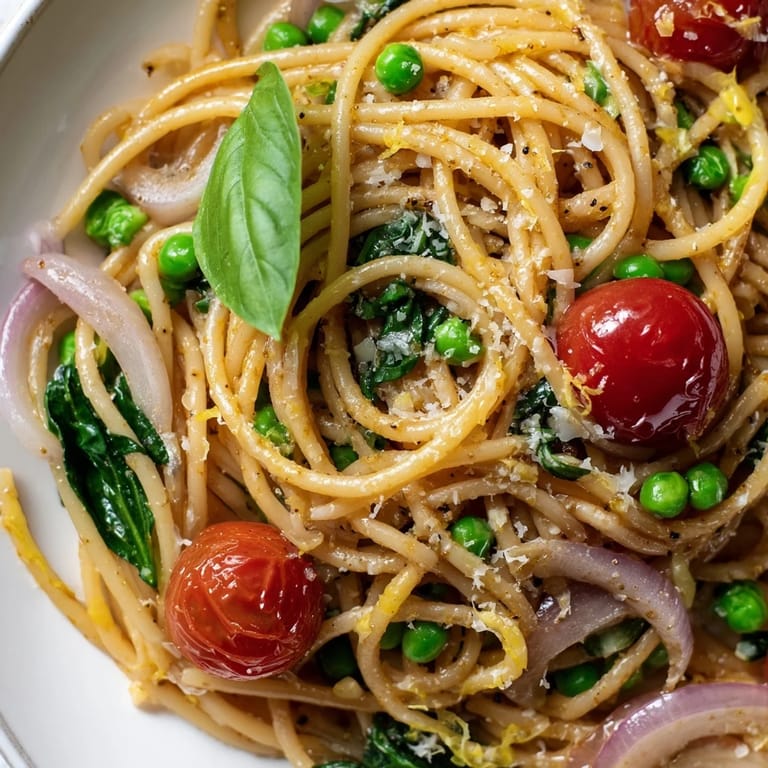
- Cook uncovered for 10-12 minutes, stirring occasionally to prevent the pasta from sticking to the bottom. You'll know it's done when the pasta is al dente and most of the liquid has absorbed, leaving you with a glossy, emerald-studded sauce clinging to every strand.
- Finish with brightness:
- Remove from heat and stir in the lemon zest, which will wake up all the flavors with its fresh, citrusy perfume. Divide among bowls and top with grated Parmesan and torn basil leaves.
 Save to Pinterest
 This recipe has become my go-to for bringing dinner to friends who need a meal. It travels beautifully, reheats perfectly, and somehow tastes even better the next day when the flavors have had time to get to know each other. There's something deeply satisfying about a dish that looks impressive but comes together with such simple ingredients and minimal effort.
Making It Your Own
The beauty of this recipe is how adaptable it is. I've swapped asparagus for the peas when they were in season, used arugula instead of spinach for a peppery kick, and even added a drained can of chickpeas when I needed extra protein. The technique remains the same, but the character changes with whatever vegetables you have on hand.
The Wine Question
A crisp Sauvignon Blanc pairs beautifully, cutting through the richness of the pasta while complementing the spring vegetables. But honestly, a light Pinot Grigio or even a dry rosé would be lovely too. The key is something refreshing with enough acidity to stand up to the broth-based sauce.
Perfect Timing
The key to nailing this recipe is timing your pasta doneness with the liquid absorption. If the pasta is done but there's still too much liquid, just cook for another minute or two uncovered. If the liquid is gone but the pasta needs more time, add a splash of water and keep cooking. Trust your senses more than the clock.
- Mise en place everything before you start, since this comes together quickly once the heat is on
- Grate your Parmesan while the pasta cooks so it's ready to sprinkle immediately
- Have your lemon zested before you begin, as you'll want to stir it in right at the end
 Save to Pinterest
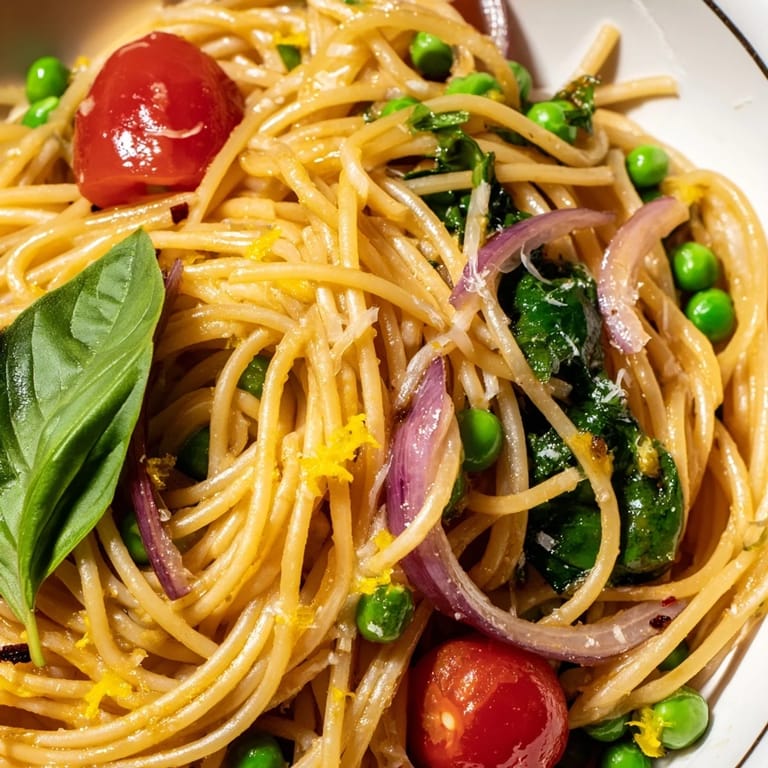
 This is the kind of recipe that makes you feel like a competent cook even on your most exhausted days. Simple, vibrant, and utterly satisfying—it's spring in a bowl, ready in 25 minutes flat.
Recipe Questions & Answers
- → Can I use fresh pasta instead of dried spaghetti?
Fresh pasta cooks much faster than dried, so it would become mushy with this cooking method. Stick to dried spaghetti or adjust the cooking time significantly and reduce the liquid amount if using fresh pasta.
- → What other vegetables work in this dish?
Asparagus, zucchini, bell peppers, or green beans would all work beautifully. Add harder vegetables like asparagus or zucchini at the beginning, and delicate ones like peas or spinach later in the cooking process.
- → Can I make this gluten-free?
Absolutely. Simply swap the regular spaghetti for your favorite gluten-free pasta. Brown rice spaghetti or chickpea pasta both work well in this preparation.
- → How do I store and reheat leftovers?
Store in an airtight container in the refrigerator for up to 3 days. Reheat with a splash of water or broth in a pan over medium heat, stirring occasionally until heated through. The pasta may absorb more liquid overnight, so the extra moisture helps restore the creamy texture.
- → Can I use water instead of vegetable broth?
You can use water, but the dish will have less depth of flavor. If using water, consider adding an extra clove of garlic, some dried herbs, or a bouillon cube to maintain the savory profile.
- → Is this suitable for meal prep?
Yes, this dish meal preps wonderfully. Portion into individual containers for easy lunches throughout the week. The flavors continue to develop overnight, often tasting even better the next day.