 Save to Pinterest
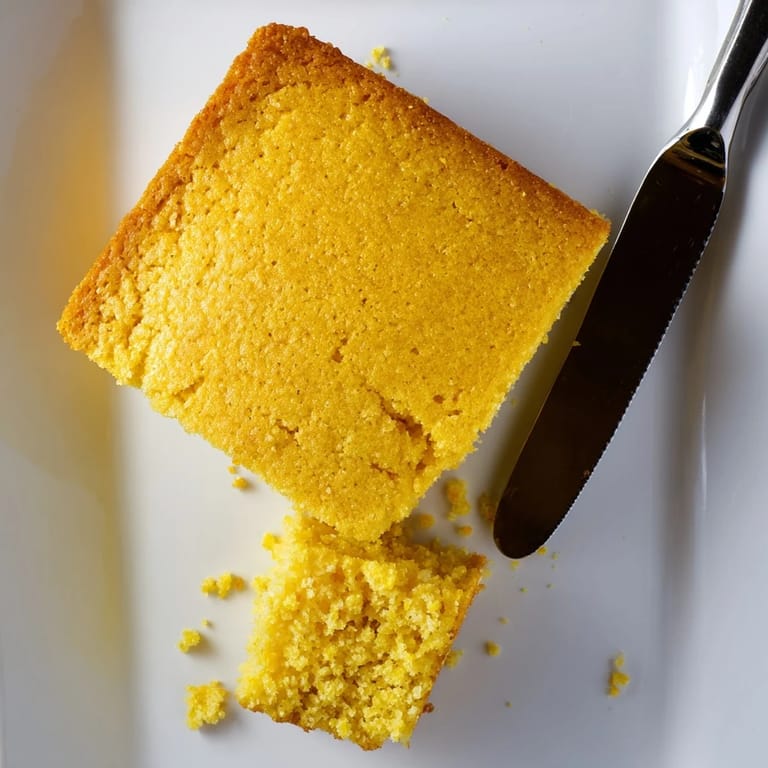
 The smell of cornbread baking takes me straight to my grandmother's tiny kitchen, where she'd pull a steaming skillet from the oven while I sat at the counter swinging my legs. That golden crust would crackle under her knife, releasing clouds of steam that made my stomach rumble. I've chased that perfect balance of sweet and savory for years, tweaking ratios until the crumb felt tender enough to melt away. There's something deeply comforting about a bread that comes together in minutes but tastes like it took all afternoon.
Last winter, during a snowed-in weekend with friends, I made three batches in a row because everyone kept requesting seconds. We stood around the oven watching the top turn golden, debating whether to add more sugar or cheese each time. That night, with bowls of chili steaming on the table and cornbread disappearing faster than I could slice it, I realized this isn't just side dish material. It's the kind of comfort food that turns an ordinary dinner into something people talk about months later.
Ingredients
- Yellow cornmeal: Medium grind gives you texture without being gritty, and yellow varieties bring a subtle sweetness that white cornmeal lacks
- All-purpose flour: Provides structure and tenderness, keeping the cornbread from becoming too crumbly or dense
- Granulated sugar: Start with this amount and adjust based on your preference, knowing that Southern style cornbread tends toward less sweetness while Northern versions embrace it
- Baking powder and baking soda: This duo ensures a good rise and that signature tender crumb structure
- Fine sea salt: Enhances all the flavors and balances the sweetness, so don't skip it even if you typically reduce salt in recipes
- Whole milk: Creates richness, though buttermilk adds a tangy depth that cuts through the sugar beautifully if you want more complexity
- Large eggs: Room temperature eggs incorporate better and help bind everything together for that perfect texture
- Unsalted butter: Melting it first ensures even distribution throughout the batter, contributing to that irresistible aroma
- Vegetable oil: Keeps the cornbread moist longer than butter alone, and has a higher smoke point for even baking
- Honey: Adds an extra layer of sweetness and also helps the crust develop that gorgeous golden color
Tired of Takeout? 🥡
Get 10 meals you can make faster than delivery arrives. Seriously.
One email. No spam. Unsubscribe anytime.
Instructions
- Get your oven ready:
- Preheat to 400°F and generously grease your pan with butter, getting into all the corners so nothing sticks
- Whisk the dry ingredients:
- In a large bowl, combine the cornmeal, flour, sugar, baking powder, baking soda, and salt until everything is evenly distributed
- Mix the wet ingredients:
- In a separate bowl, whisk the milk, eggs, melted butter, oil, and honey until the mixture is smooth and uniform
- Combine everything:
- Pour the wet ingredients into the dry and fold gently with a spatula just until no dry streaks remain, being careful not to overwork the batter
- Prep for baking:
- Pour the batter into your prepared pan and smooth the top with your spatula, making sure it's evenly distributed
- Bake to golden perfection:
- Slide the pan into the oven and bake for 20 to 25 minutes until the top is deeply golden and a toothpick inserted in the center comes out clean
- Let it rest before slicing:
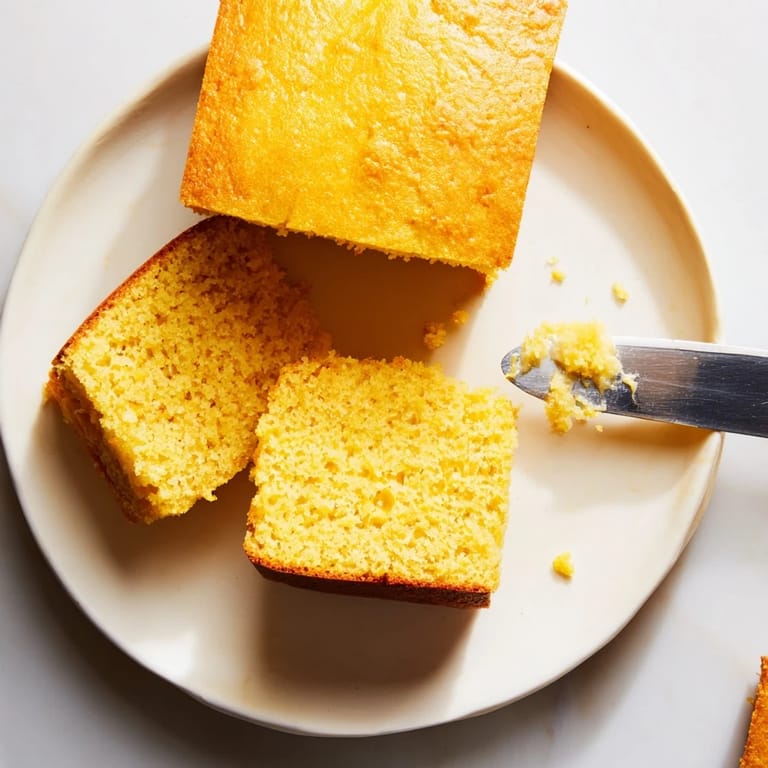
- Cool in the pan for 10 minutes so the crumb sets, then cut into squares and serve while still warm
 Save to Pinterest
 My aunt used to make cornbread every Sunday, and the ritual of it became something I looked forward to more than the main course. She'd serve it with honey butter she'd whipped herself, and watching people spread that melting golden goodness over warm slices became one of my favorite kitchen memories. Now whenever I bake it, I think about how something so simple can bring so much joy to a table.
Make It Your Own
The base recipe is fantastic on its own, but cornbread welcomes additions like an old friend. I've found that mix-ins should be folded in gently right after you combine the wet and dry ingredients, taking care not to deflate the batter. Cheddar cheese and scallions turn this into a savory standout, while diced jalapeños add just enough heat to keep things interesting without overwhelming the subtle sweetness.
Pan Choices Matter
Cast iron skillets create the most spectacular crust, developing those crispy edges that cornbread lovers dream about. If you're using a glass or metal baking pan instead, the texture will still be wonderful, though you might want to increase the baking time by a few minutes. The most important thing is that your pan is properly greased, especially in the corners, because nothing ruins the experience faster than beautiful cornbread stuck to the bottom of your pan.
Storage and Reheating
Cornbread is best enjoyed the day it's made, but leftovers can be stored in an airtight container at room temperature for up to two days. When reheating, wrap individual pieces in foil and warm them in a 350°F oven for about 10 minutes, which helps restore that freshly baked texture. Microwaving works in a pinch, but it tends to make the crust soft instead of crispy.
- Freeze extra cornbread in individual portions wrapped tightly in plastic and foil for up to three months
- Revive slightly stale cornbread by toasting slices and using them as the base for breakfast with eggs and avocado
- Leftover cornbread makes incredible croutons when cubed and toasted in butter until golden
 Save to Pinterest
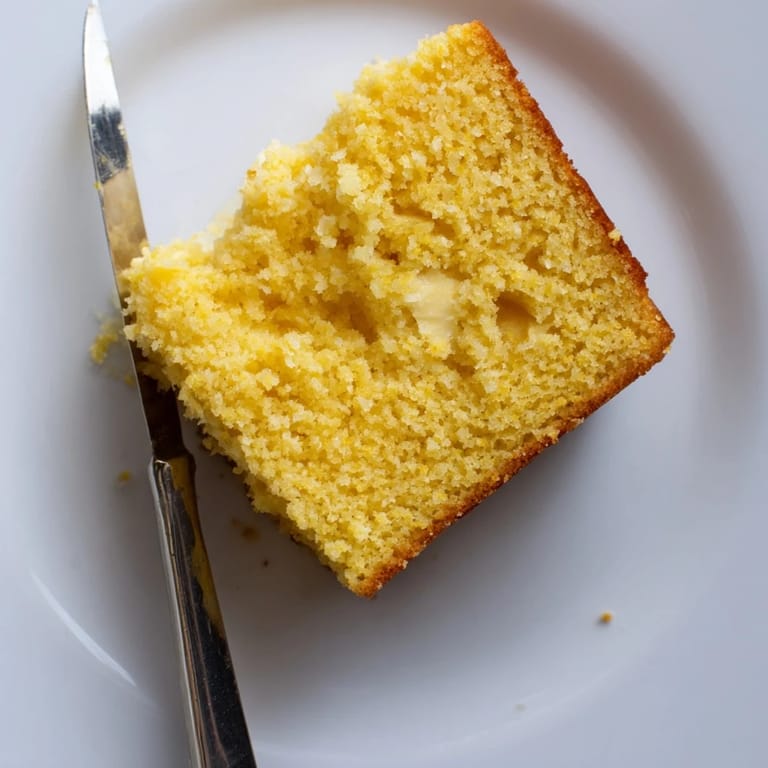
 Whether it's for a holiday feast or a simple weeknight dinner, this cornbread has a way of making everything feel like a celebration. There's pure magic in pulling that golden pan from the oven and watching faces light up as the aroma fills the room.
Recipe Questions & Answers
- → What makes cornbread moist instead of dry?
The combination of whole milk, eggs, melted butter, and oil creates a tender, moist crumb. Don't overmix the batter—stir just until combined to prevent toughness. Adding honey also helps retain moisture during baking.
- → Can I use buttermilk instead of regular milk?
Absolutely. Buttermilk adds a pleasant tang and makes the cornbread even more tender due to its acidity interacting with the baking powder and soda. You may want to slightly reduce the honey if using buttermilk, as it brings its own subtle tanginess.
- → Why use both butter and oil?
Butter provides rich flavor, while oil ensures moisture and tenderness. Using both gives you the best of both worlds—butter's classic taste and oil's ability to keep the cornbread soft for days.
- → How do I know when cornbread is done baking?
Look for a deep golden-brown color on top. Insert a toothpick into the center—if it comes out clean or with just a few moist crumbs, it's ready. The edges should start pulling away from the pan slightly.
- → What's the best way to store leftover cornbread?
Wrap tightly in plastic wrap or store in an airtight container at room temperature for up to 2 days. For longer storage, refrigerate for up to a week or freeze for up to 3 months. Reheat gently in the oven or microwave before serving.
- → Can I make this cornbread gluten-free?
Yes. Substitute the all-purpose flour with a reliable 1:1 gluten-free flour blend that contains xanthan gum. The texture may be slightly denser but still delicious. Ensure your cornmeal is certified gluten-free as well.