 Save to Pinterest
 I baked this cake the morning after my cousin texted that she'd gotten both her diploma and turned twenty-two on the same day—a Taurus through and through, stubborn about details but loyal to the people she loves. She'd asked for something elegant, something that felt like a celebration, and I found myself sketching floral piping patterns on the back of an old grocery list while my coffee got cold. The vanilla layers are soft and forgiving, the kind of base that lets you focus on the decorating part without worrying you've made a mistake, and the buttercream takes color beautifully, turning into tiny roses and lavender sprigs under your piping tips.
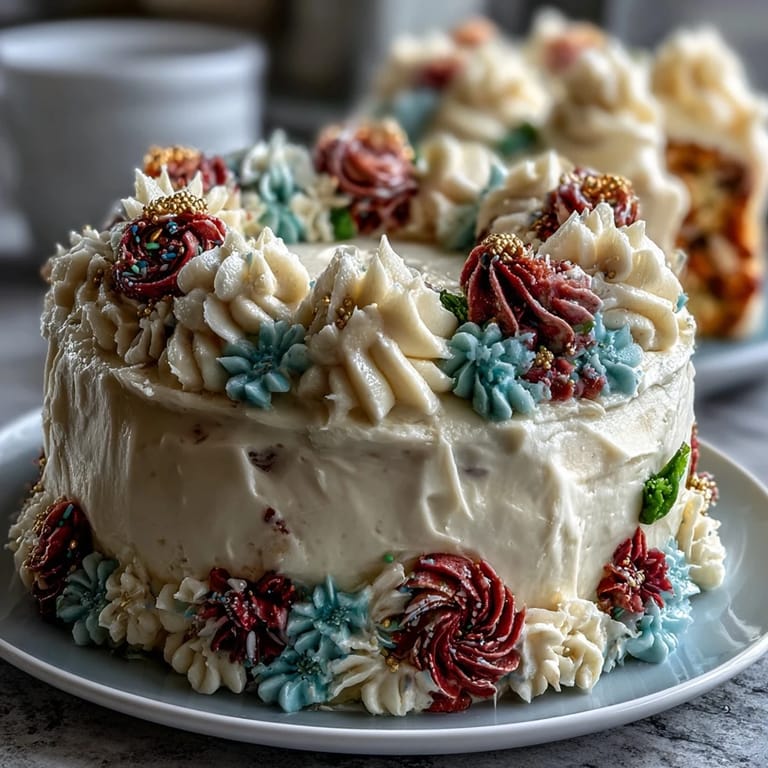
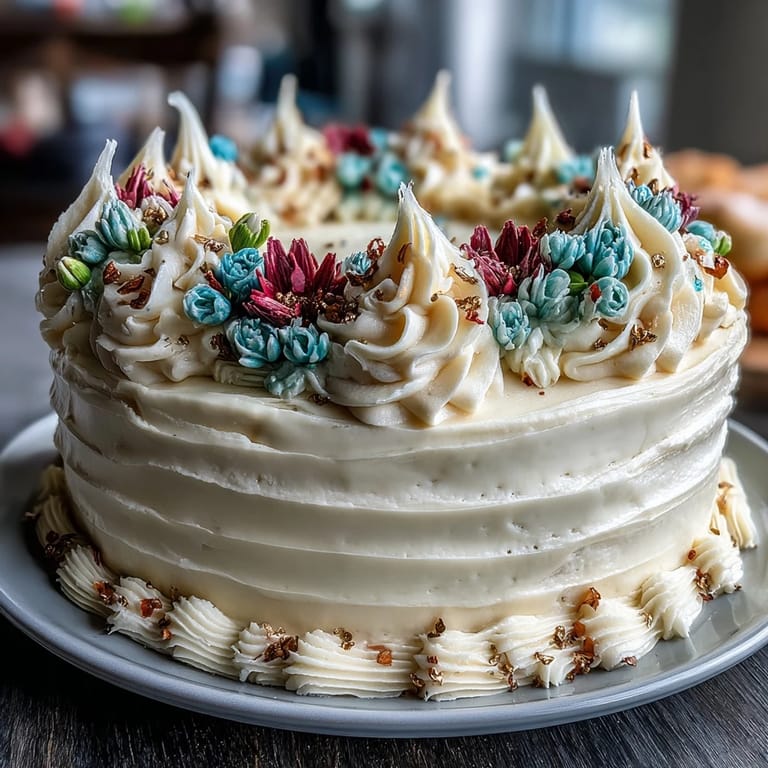
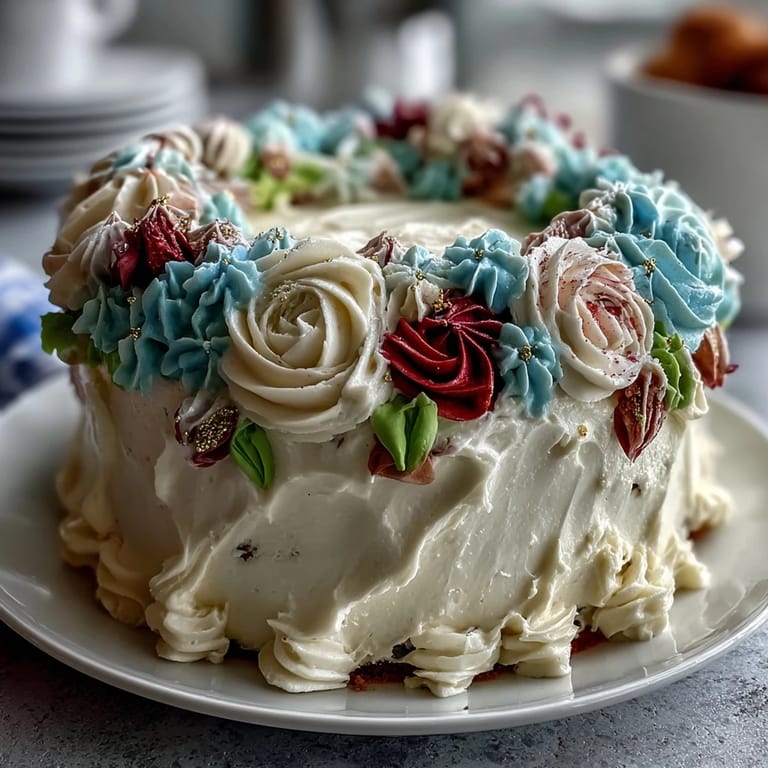
I remember the moment my cousin walked into the kitchen and saw it sitting on the cake stand, three layers tall with delicate piped flowers climbing up the sides in shades of pink and sage green. She got quiet for a second, which almost never happens with her, and then laughed because apparently the gold leaf around the Taurus symbol looked like something she'd described in a half-joking text weeks ago that I'd completely forgotten I'd saved.
Ingredients
- All-purpose flour (2 1/2 cups): Measure by spooning into a cup and leveling off rather than scooping directly from the bag; this prevents the cake from becoming dense or dry.
- Baking powder (2 1/2 tsp): Check the date on your container because expired powder won't help your cakes rise properly, and you'll end up with flat, sad layers.
- Salt (1/2 tsp): Don't skip this; it brightens the vanilla flavor and makes the whole cake taste less one-dimensional.
- Unsalted butter (1 cup for cake, 1 1/2 cups for frosting): Bring it to room temperature so it creams properly with the sugar, creating that light, fluffy texture that makes the cake tender.
- Granulated sugar (2 cups): This dissolves into the butter and creates a fine crumb; don't substitute brown sugar unless you want a denser cake with a different color.
- Eggs (4 large, room temperature): Cold eggs won't incorporate smoothly into the batter, leaving you with an uneven cake; set them out an hour before baking.
- Pure vanilla extract (1 tbsp for cake, 2 tsp for frosting): Real vanilla makes a noticeable difference here; imitation extract tastes thin and metallic by comparison.
- Whole milk (1 cup, room temperature): This keeps the cake moist without making it greasy; buttermilk would add tang if you prefer that note.
- Powdered sugar (5 cups, sifted): Sift it before measuring to remove lumps that'll make your buttercream grainy and unsmooth when piped.
- Heavy cream or milk (2-4 tbsp): This thins the frosting to piping consistency; start with less and add gradually until you hit the sweet spot.
- Gel food coloring: Gel colors are more concentrated than liquid, so you won't thin out your buttercream trying to achieve a rich floral shade.
Tired of Takeout? 🥡
Get 10 meals you can make faster than delivery arrives. Seriously.
One email. No spam. Unsubscribe anytime.
Instructions
- Prepare your pans and preheat:
- Set your oven to 350°F and grease three 8-inch round pans, then line the bottoms with parchment paper so your cakes release cleanly without sticking. This takes two minutes and saves you from frustration later.
- Mix your dry ingredients:
- Whisk the flour, baking powder, and salt together in a bowl; this distributes the leavening evenly throughout so every slice rises the same way.
- Cream butter and sugar until it's pale and fluffy:
- Beat them on medium speed for about 3 to 4 minutes; you're incorporating air into the butter, which helps the cake rise and keeps it tender. The mixture should look like frosting when you're done.
- Add eggs one at a time, beating well after each:
- This ensures each egg fully emulsifies into the batter instead of sitting in a curdled puddle at the bottom. Then mix in your vanilla extract.
- Alternate adding flour and milk in three batches:
- Start and end with flour (flour, milk, flour, milk, flour), stirring just until combined after each addition. Overmixing develops the gluten, which makes the cake tough and dense.
- Divide batter evenly and smooth the tops:
- Use a kitchen scale or divide roughly equal amounts among your three pans; even layers bake evenly and stack beautifully.
- Bake until a toothpick comes out clean:
- This usually takes 28 to 35 minutes depending on your oven; start checking around the 25-minute mark so you don't overbake and dry them out.
- Cool in the pans for 10 minutes, then turn onto wire racks:
- The brief cooling in the pan lets them set enough to unmold without falling apart, but turning them out onto cooling racks prevents them from steaming and becoming soggy.
- Make your buttercream by beating softened butter until creamy:
- This takes about a minute on medium speed; you want it almost fluffy before you add the sugar.
- Gradually add sifted powdered sugar, beating well:
- If you dump it all in at once, you'll have a cloud of sugar all over your kitchen; adding it slowly keeps it in the bowl.
- Mix in vanilla and cream until you reach piping consistency:
- Start with 2 tablespoons of cream and add more if needed; the buttercream should hold a peak when you lift your beater but still spread smoothly.
- Beat the frosting until fluffy, another 3 to 4 minutes:
- This incorporates air and makes it light enough to pipe without tearing your cake layers.
- Tint your buttercream with gel colors:
- Divide it into bowls and add color drop by drop, stirring until you have even shades for your floral designs.
- Level your cake layers if they've domed slightly:
- A serrated knife or cake leveler works; you want flat surfaces so the layers stack without wobbling.
- Build your cake with buttercream between layers:
- Place the first layer on your serving plate, spread a generous layer of frosting, repeat with the second layer, frosting, and third layer.
- Apply a thin crumb coat and chill for 20 minutes:
- This seals in any stray crumbs so your final coat looks polished and professional; the chill firms it up just enough to frost over smoothly.
- Apply your smooth final coat of buttercream:
- Use an offset spatula and take your time; an extra minute here makes the whole cake look intentional and finished.
- Pipe your floral designs with colored buttercream and tips:
- Start with leaves and stems, then add roses, peonies, or lavender sprigs using petal and round tips; there's no right way, so let your hands move intuitively.
- Add Taurus or graduation accents with gold leaf or sprinkles:
- Use edible gold to highlight the symbol or a graduation cap if you're celebrating both occasions.
- Chill until ready to serve:
- Let it sit in the fridge for at least an hour so the frosting sets and the flavors meld slightly.
- Bring to room temperature before slicing:
- Cold buttercream tears and shatters; letting the cake warm up for about 15 minutes at the counter makes it slice cleanly and taste better.
 Save to Pinterest
 What struck me most wasn't the technical part of baking it, but watching my cousin take the first bite and realize that sometimes showing up for someone means spending an afternoon piping tiny roses onto layers of butter and sugar. That's when it stopped being a recipe and became a small, delicious ceremony.
Why Vanilla Matters Here
I've made celebratory cakes with chocolate, lemon, and almond before, but vanilla is the quiet anchor that lets everything else shine—the floral piping, the delicate colors, the gold accents. It doesn't compete; it supports. The vanilla extract does the heavy lifting on flavor, so don't cheap out on it, and don't skip that 3 to 4 minutes of beating the buttercream either, because air is what makes it light enough to pipe without effort.
The Art of Smooth Frosting
A smooth coat of frosting is the difference between a cake that looks homemade and one that looks intentional. Chill the crumb coat, use an offset spatula dipped in hot water and wiped clean between strokes, and work slowly around the cake while you're turning your cake stand. If you mess up a section, you can always add more frosting and smooth over it again.
Personalizing Your Floral Design
The beauty of this cake is that you can adapt it to match the person's personality, birth month flowers, school colors, or favorite hues. I chose sage and blush for my cousin because those colors felt like her energy—calm and warm at the same time. The piping tips matter less than your willingness to try; even imperfect roses and leaves read as intentional when the colors are cohesive and the overall cake looks planned.
- If you're nervous about piping, practice on parchment paper first and chill the piped flowers to transfer them onto the cake for a fancier presentation.
- Keep your piping bags in tall glasses while you switch between colors so you're not juggling five bags at once.
- Edible gold leaf feels luxurious and costs very little; it's worth adding for a Taurus celebration, since they appreciate both beauty and durability.
 Save to Pinterest
 This cake isn't just a dessert; it's a container for celebration, a way of saying someone matters enough to spend time on. Bake it with intention, decorate it without pressure, and watch it become the memory someone talks about for years.
Recipe Questions & Answers
- → What is the best way to achieve floral buttercream colors?
Use gel food coloring to tint the buttercream in desired shades. Apply colors gradually for best control and vibrancy.
- → How should I prepare cake pans for even baking?
Grease and line three 8-inch pans with parchment paper to ensure cakes release cleanly and bake evenly.
- → Can I make the cake ahead of time?
Yes, the layers and buttercream can be prepared a day ahead and assembled before serving to save time.
- → How do I prevent crumb mixing when applying buttercream?
Apply a thin crumb coat first and chill it before adding the final smooth layer of buttercream.
- → What optional decorations enhance the cake's theme?
Use edible gold leaf or sprinkles to highlight Taurus symbols or graduation accents elegantly.
- → How can I personalize the cake’s floral designs?
Match the buttercream colors to birth months or school colors and pipe diverse floral patterns for unique decoration.